
Dice Hoarder Dice Value: How Daily Shift Stocking Works
Quick answer
In Story Mode, a day ends and the next day begins only after you have stocked the required value of dice — that is the entire completion condition for a shift, straight from the developer's description on the official Steam store page. There is no timer and no other quota: you pick up dice, examine them, and place them in the shop until the value your current day demands has been filled, and the story then moves on when you are ready.
| Shift completion rule | The next day begins only after you have stocked the required value of diceOfficial Steam store page for Dice Hoarder |
|---|---|
| Set structure | Rebuild 400+ seven-piece dice sets, each needing a percentile die, D4, D6, D8, D10, D12 and D20Official Steam store page for Dice Hoarder |
| Time pressure | No timers; work at your own pace during every shiftOfficial Steam store page for Dice Hoarder |
| Release | Planned release date November 13, 2026 (Windows PC)Dice Hoarder on Steam |
Dice Hoarder dice value: a Story Mode day ends and the next begins only once you stock the required value of dice — there is no timer and no other quota.
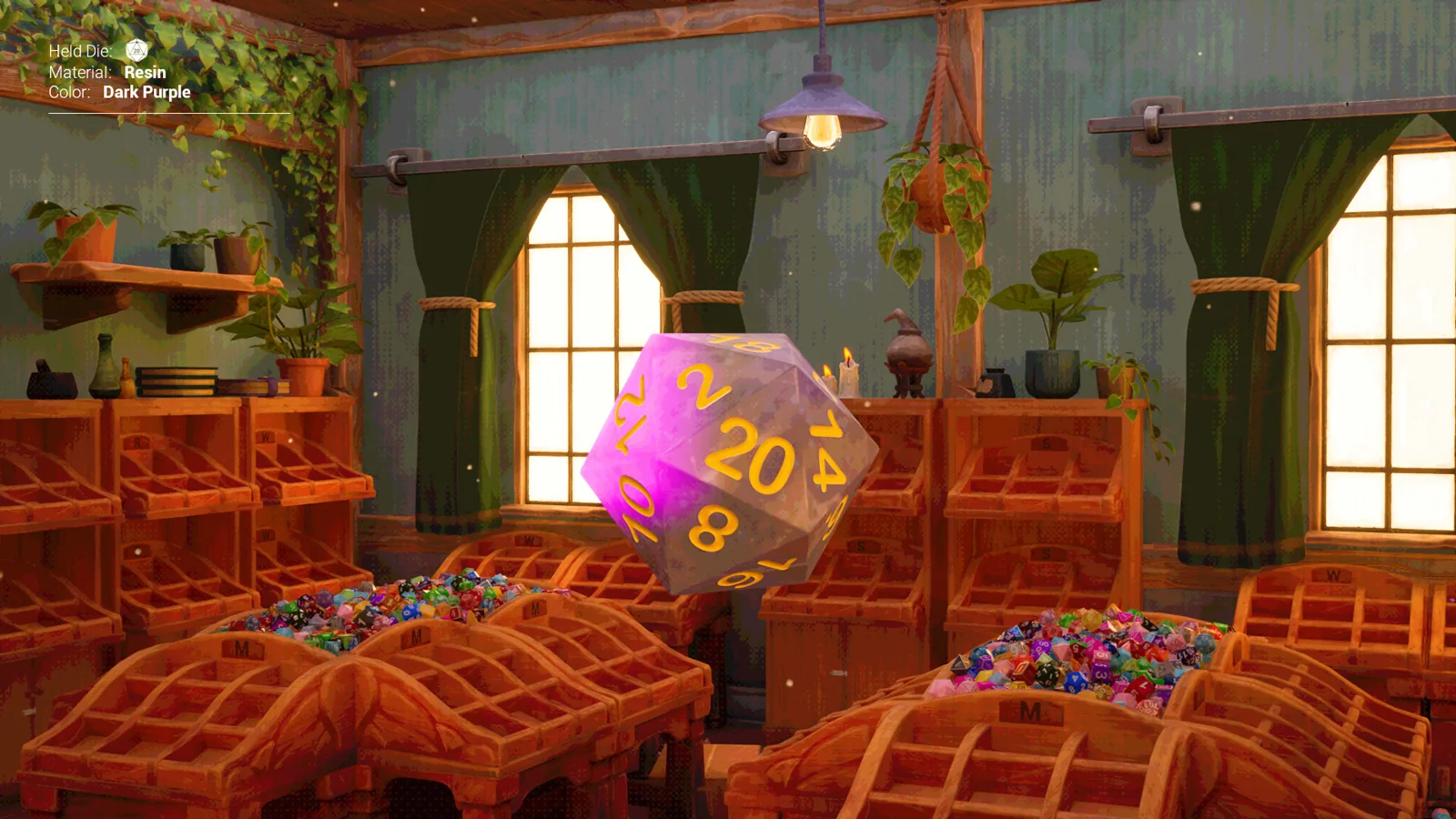
Table of Contents
In Story Mode, a day ends and the next day begins only after you have stocked the required value of dice — that is the entire completion condition for a shift, straight from the developer's description on the official Steam store page. There is no timer and no other quota: you pick up dice, examine them, and place them in the shop until the value your current day demands has been filled, and the story then moves on when you are ready.
How dice value is earned during a shift
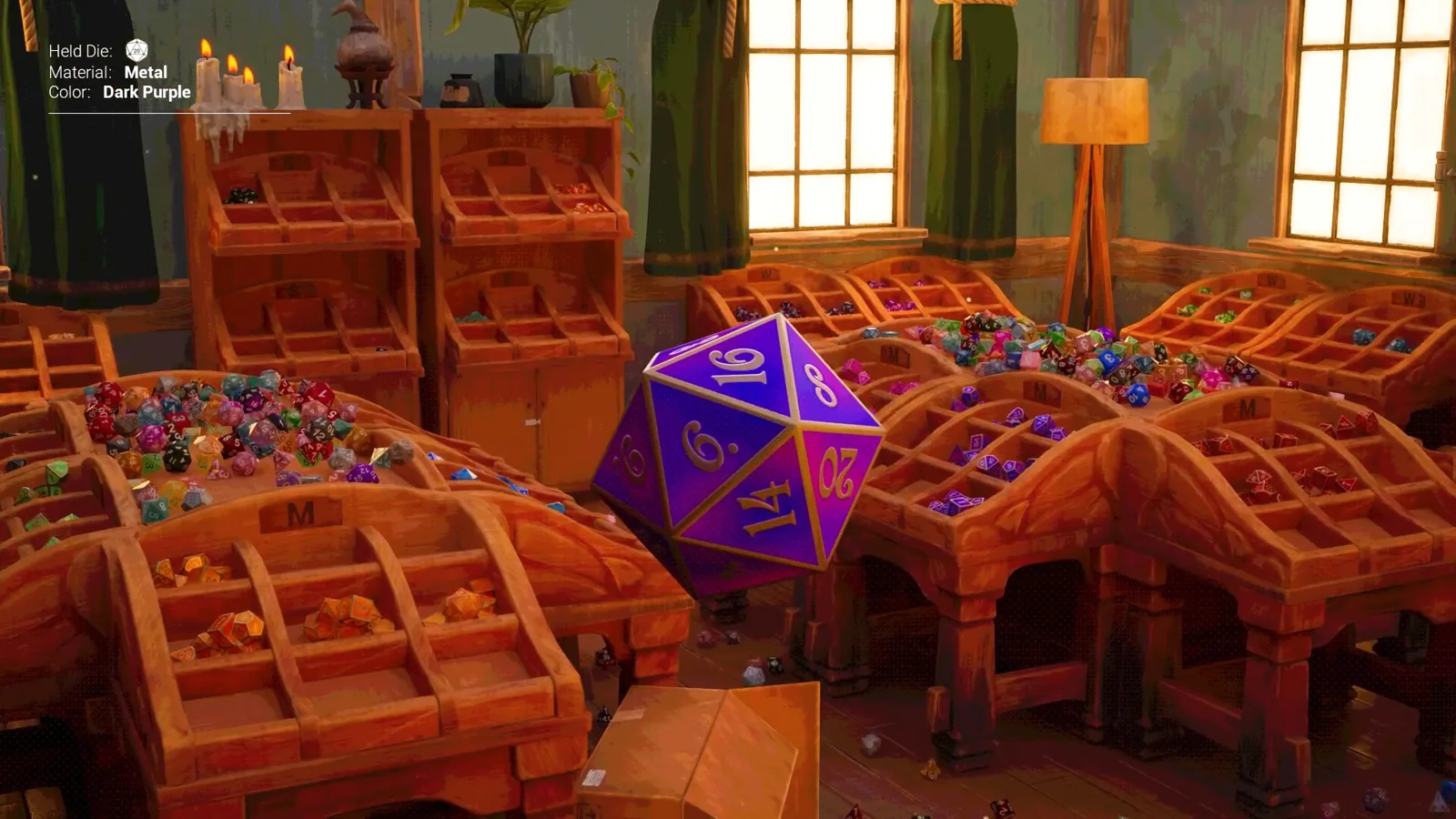
The developer's description ties dice value directly to the shop's organizing loop. Every die you pick up, examine and stock contributes toward your day's required value, and the intended way to build that value efficiently is by rebuilding complete dice sets. The shop contains 400+ seven-piece sets, and each set needs one of every classic polyhedral die: a percentile die, D4, D6, D8, D10, D12, and D20.
That structure shapes how you work a shift:
- Pick up scattered dice around the shop and examine their colours and materials.
- Match each die to the set it belongs to, so a percentile die, a D4, a D6, a D8, a D10, a D12 and a D20 end up grouped as one complete seven-piece set.
- Keep stocking until you have placed enough dice to cover the value the day requires.
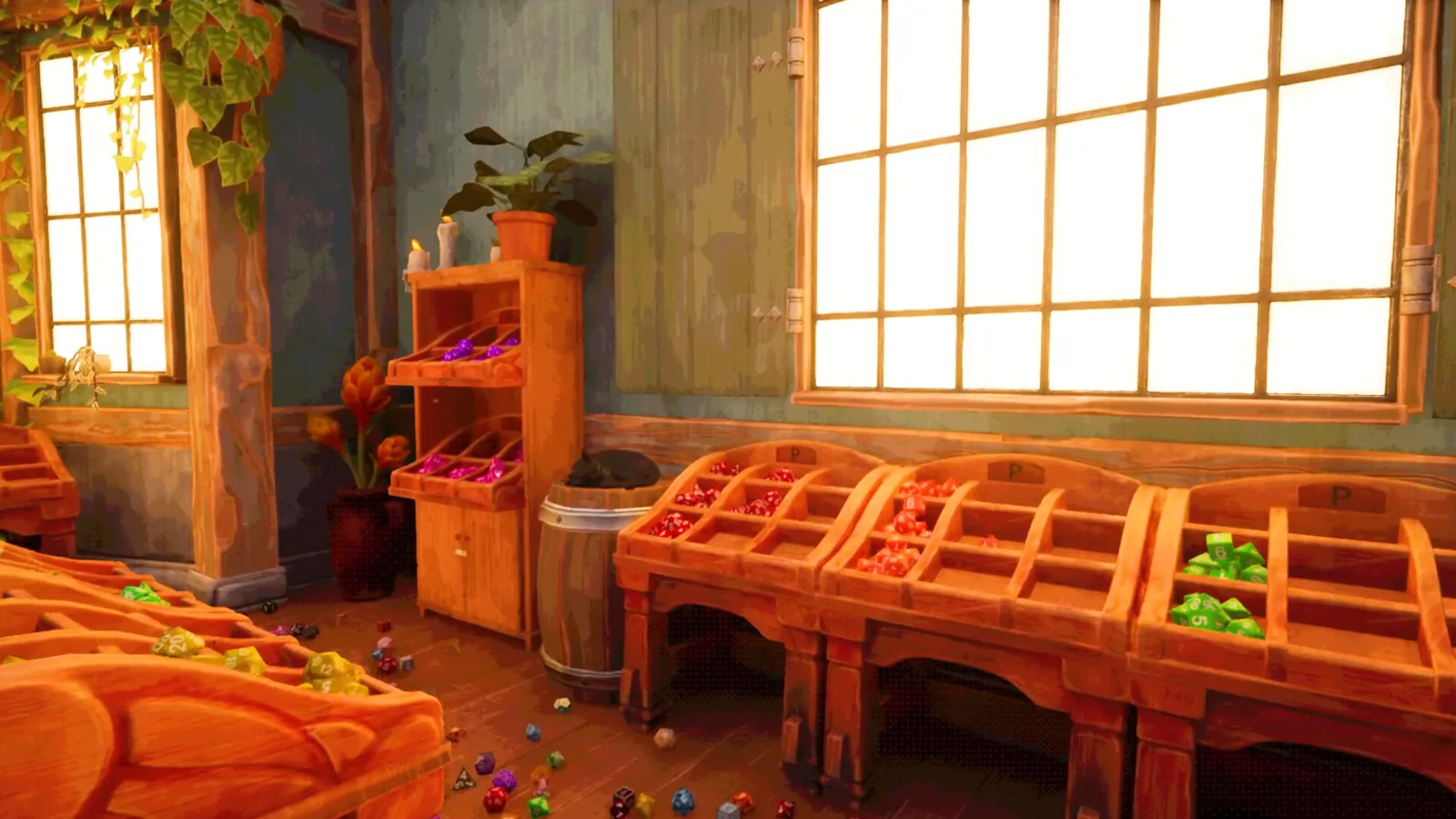
Because there are no timers, the order you work in is entirely your choice. The official description frames this as the core appeal: search every corner, plan your sets, and work at your own pace while the cozy ambience and original soundtrack play. Nothing in the shift loop punishes slow play — the only gate to the next day is the required value itself.
What the game confirms and what it does not
One important limit before you plan your shifts: the exact value required each day has not been published anywhere as of 2026-11-09. Dice Hoarder has a planned release date of November 13, 2026, and at the time of checking the Dice Hoarder Steam listing had no user reviews yet, meaning no first-hand player reports about specific daily quotas, how the required value scales across days, or whether the number is shown in-game exist in any form we can cite. Anything more precise than "stock the required value and the day advances" would be guesswork, so this page sticks to what the developer has actually stated.
What is firmly confirmed about the system:
- Completion rule: the next day begins only after the required value of dice has been stocked.
- No time pressure: Story Mode has shift-based progression with no timers.
- Set framework: value is built by handling thousands of colourful dice and rebuilding 400+ seven-piece polyhedral sets.
- Progression aids: as the days pass, mysterious floppy disks begin to appear, unlocking powers such as tracking down the dice needed to finish a set or pulling them directly into your hand.
How the daily loop plays out, step by step
Based on the developer's description of Story Mode, a shift follows this shape:
Start the day with the required value in mind
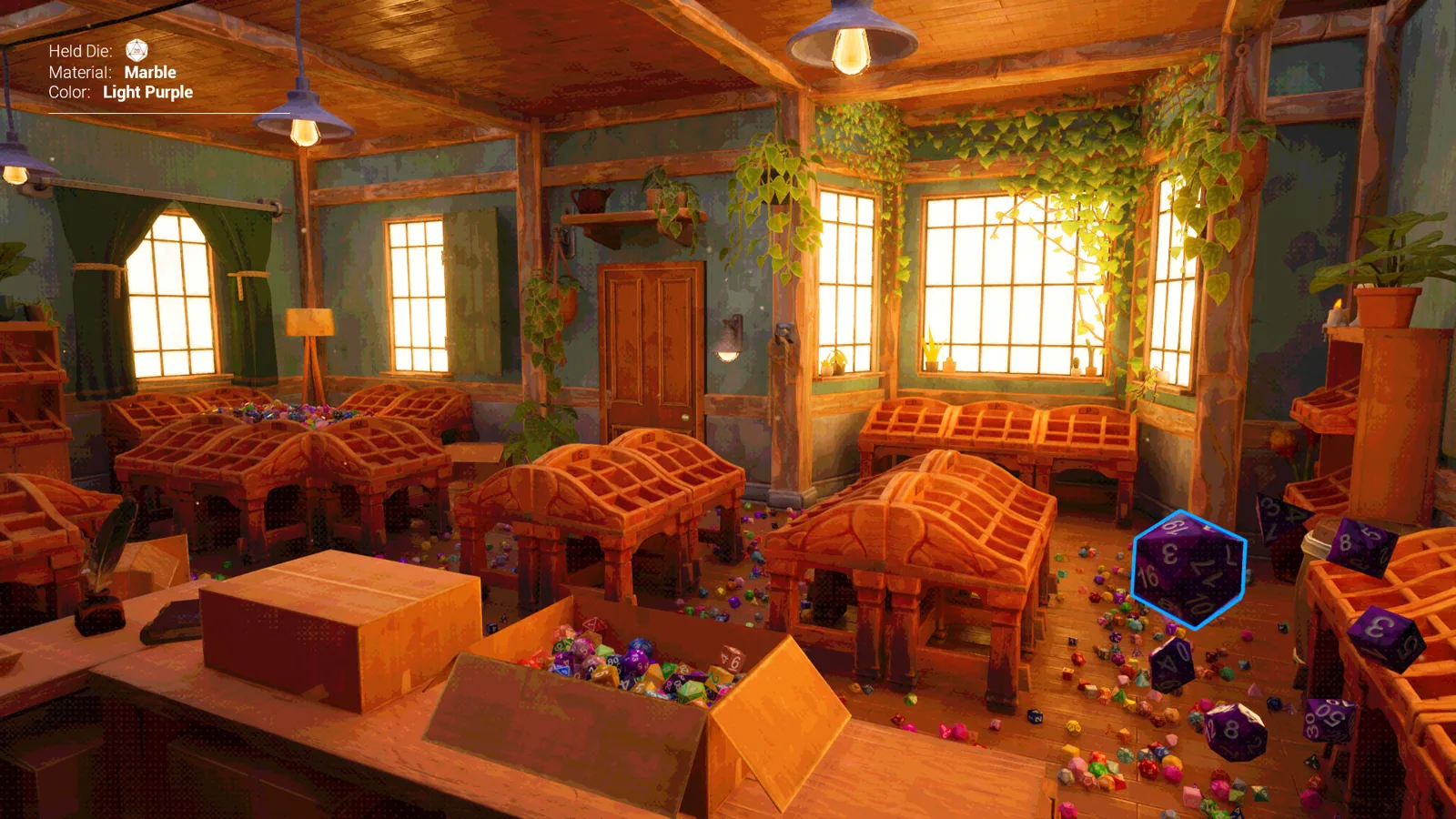
Each Story Mode day presents you with a shop full of scattered dice and a value you need to stock before the day can end. There is no countdown, so your first job is simply orientation: see what is lying around and what the shelves need.
Pick up and examine dice
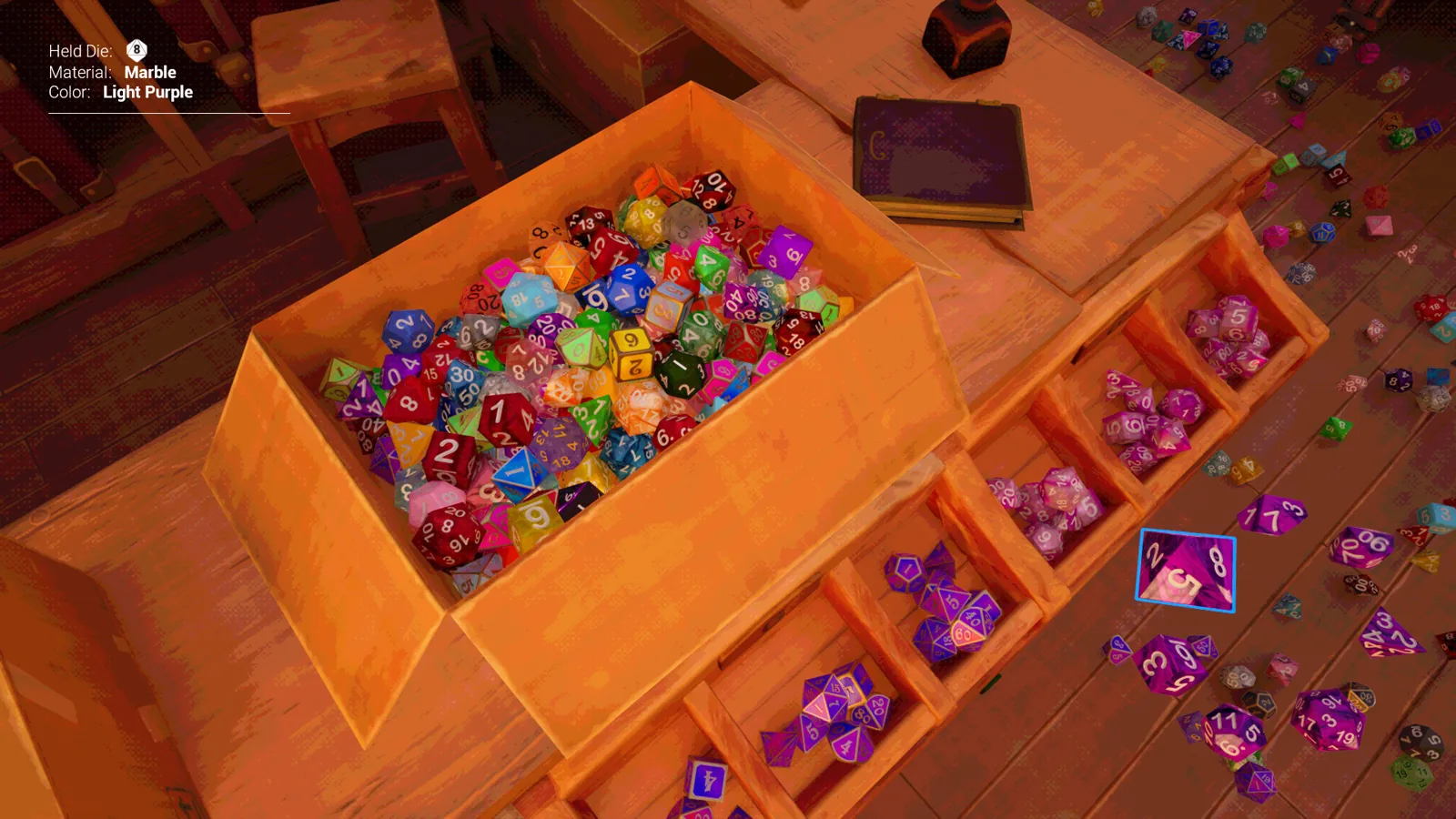
Grab dice from around the shop and inspect their colours and materials. This is how you identify which of the seven polyhedral types you are holding — percentile, D4, D6, D8, D10, D12 or D20 — and where it belongs.
Match dice into seven-piece sets
Place each die with its set so every set moves toward one of each of the seven types. Completing sets is the organizing goal of the game, and stocking dice in this way is what pushes your day's stocked value upward.
Use floppy disk abilities as they appear
As days pass, floppy disks show up in the game. Using them unlocks powers that make reaching the required value easier, including help tracking down the remaining dice needed for a set or pulling dice directly into your hand.
Finish the shift and advance to the next day
Once you have stocked dice worth the day's required value, the next day begins. Because the rule is value-based rather than time-based, you can end the day the moment the quota is met or keep organizing longer — the game does not force either choice.
Why the value system matters for the story
Story Mode is the mode where progression happens: each completed shift is a day of work at the mysterious dice shop, and the developer's description says the story unfolds as you keep completing shifts and follow the clues left behind. The required-value rule is what paces all of that. It guarantees that a day cannot be skipped by idling — you must genuinely stock dice — while simultaneously making sure nothing rushes you, since the value requirement has no deadline attached.
The game also offers Chill Mode, described by the developer as one uninterrupted, story-free organizing experience. In that mode the shift-and-value structure is replaced by open-ended sorting, so if you only care about the organizing itself and not about meeting daily quotas, that is where the quota system does not apply. Dice value, in other words, is specifically the engine of Story Mode progression.
What to expect after launch
Once the game unlocks on November 13, 2026, the specific per-day values and how the shop presents your progress toward them can be confirmed from actual play. Until then, the reliable planning points are the confirmed ones: sets of seven, no timers, floppy disks appearing as days pass, and a shift that ends exactly when its required dice value has been stocked.
Next steps
- For the full structure of what you are stocking toward, see the guide to Dice Hoarder dice sets, which covers the seven-piece polyhedral sets that make up the shop's 400+ collections.
- For the abilities that help you reach the required value faster, see the guide to Dice Hoarder floppy disks, which covers the mysterious disks that unlock set-tracking and dice-pulling powers.
FAQ
What counts toward the required dice value in a day?
Stocking dice. In Story Mode the next day begins only after you have stocked the required value of dice, and every die you pick up, examine and shelve — ideally matched into seven-piece polyhedral sets — builds toward that value. The exact numeric values per day are not yet documented anywhere as of 2026-11-09.
Is there a time limit on reaching the dice value?
No. The developer states Story Mode has no timers and no need to rush; you search every corner, plan your sets and work at your own pace, and the next day starts only once the required value is stocked.
How does the Dice Hoarder dice value system interact with dice sets?
The sets are the organizing goal — each of the 400+ sets needs a percentile die, D4, D6, D8, D10, D12 and D20 — and stocking dice to complete those sets is how you accumulate the value your day requires. The two systems describe the same action from different angles: set-building is the method, value is the quota.
Does the required dice value apply in Chill Mode?
No. Chill Mode is described by the developer as one uninterrupted, story-free organizing experience; the shift-based progression with required dice values belongs to Story Mode specifically.
Check note: this page is built from the official Steam store page and the Dice Hoarder Steam listing, checked 2026-11-09. The shift completion rule, the no-timer policy, the seven-piece set structure and the November 13, 2026 release date are developer-confirmed; the specific per-day dice values, how they scale, and any in-game progress display remain unconfirmed until the game launches and players can verify them first-hand.
Related guides for this game
Guide Guides Index
Dice Hoarder Dice Sets: How the Seven-Piece Sets Work
Learn how Dice Hoarder dice sets work: what each seven-piece set contains, how 400+ sets drive your shifts, and which floppy-disk skills help complete them.
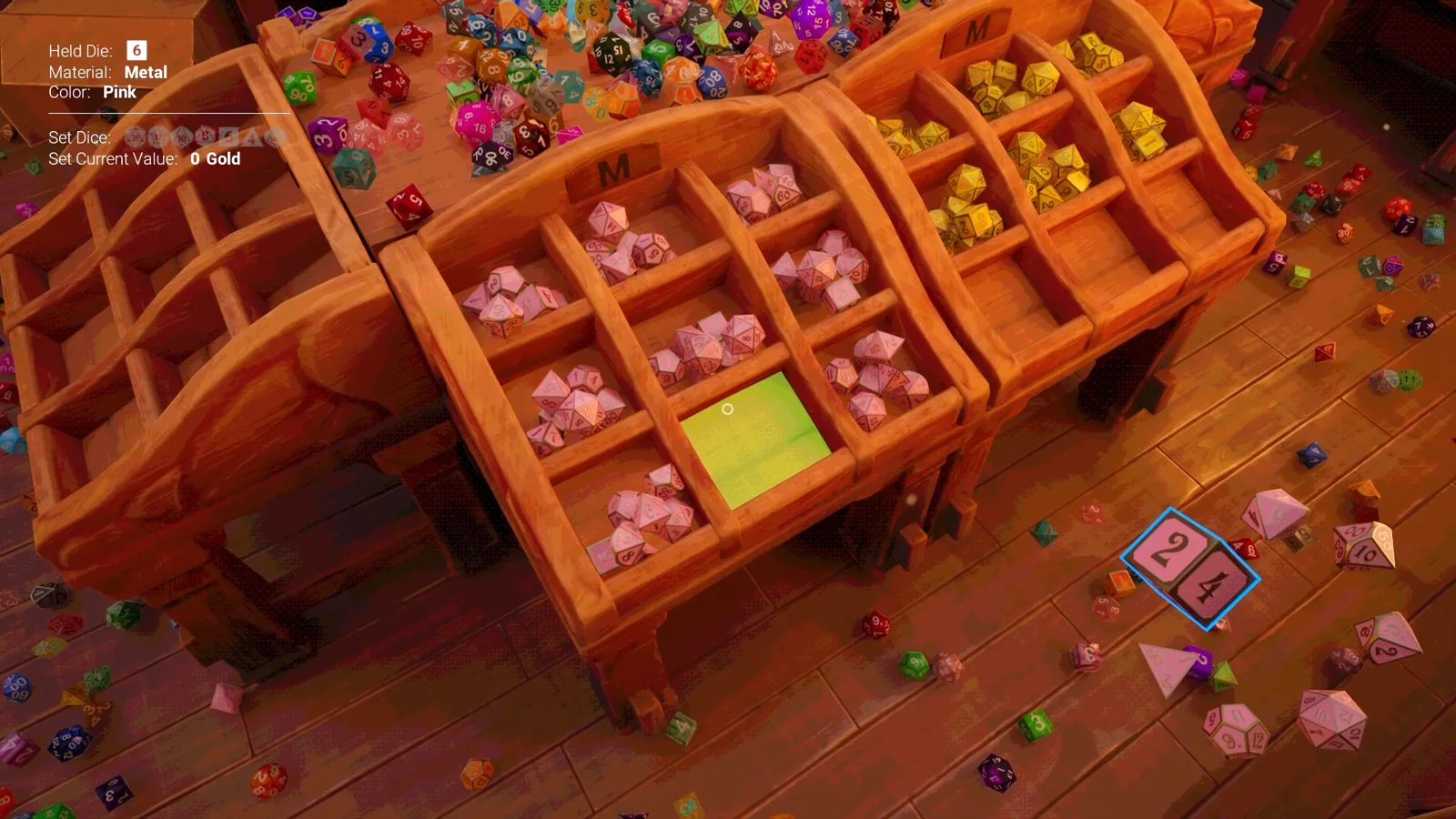
Dice Hoarder floppy disks: how they unlock new skills
Dice Hoarder floppy disks appear as days pass in the shop and unlock new skills: one finds the dice you need for a set, one summons a die to your hand.
Access Guides Index
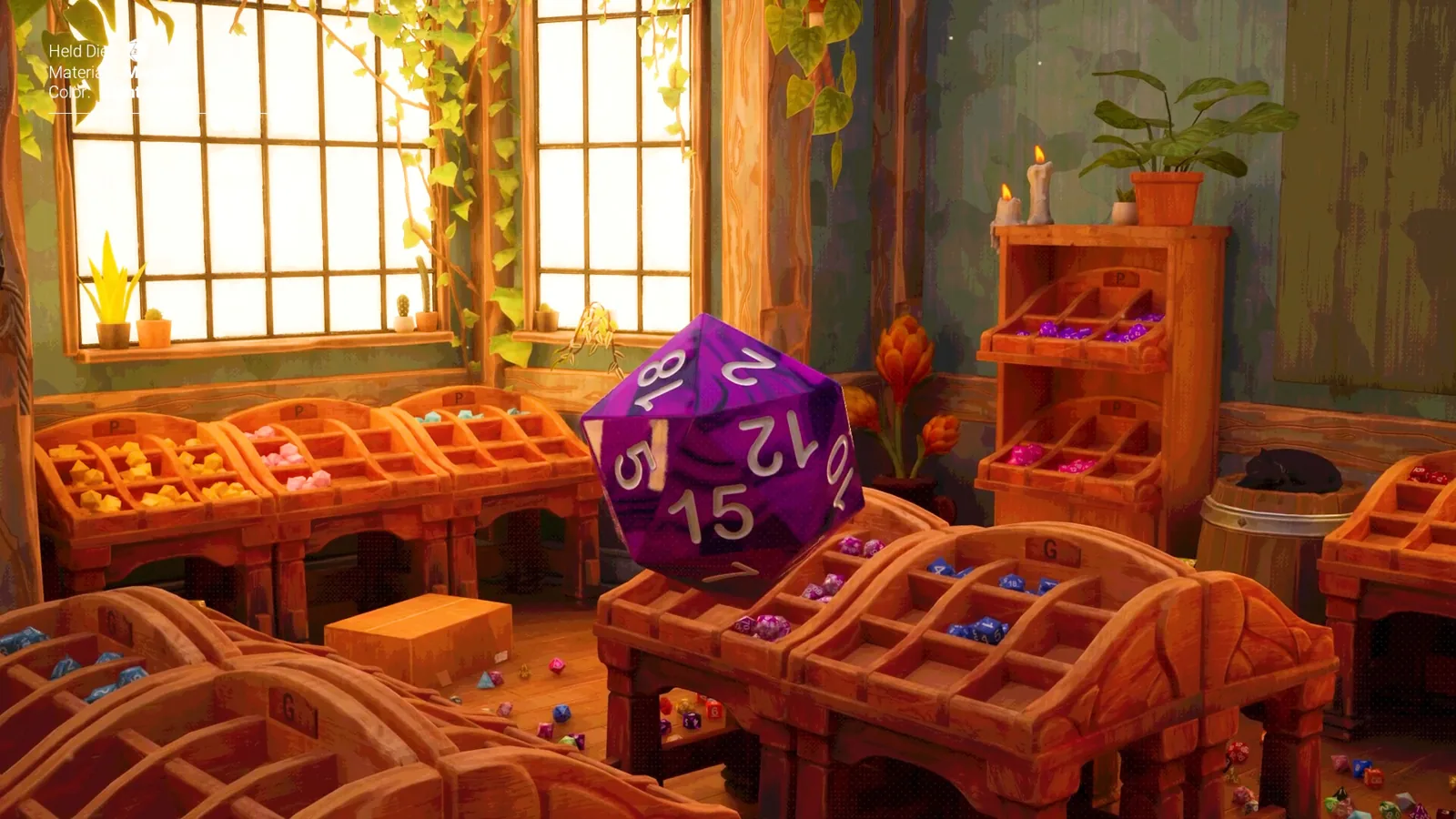
Dice Hoarder playtest: how to sign up on Steam (2026)
The Dice Hoarder playtest sign-up is open via a Google Form linked from DieCorp Games' October 23, 2026 announcement on Steam. Here's exactly how to apply.
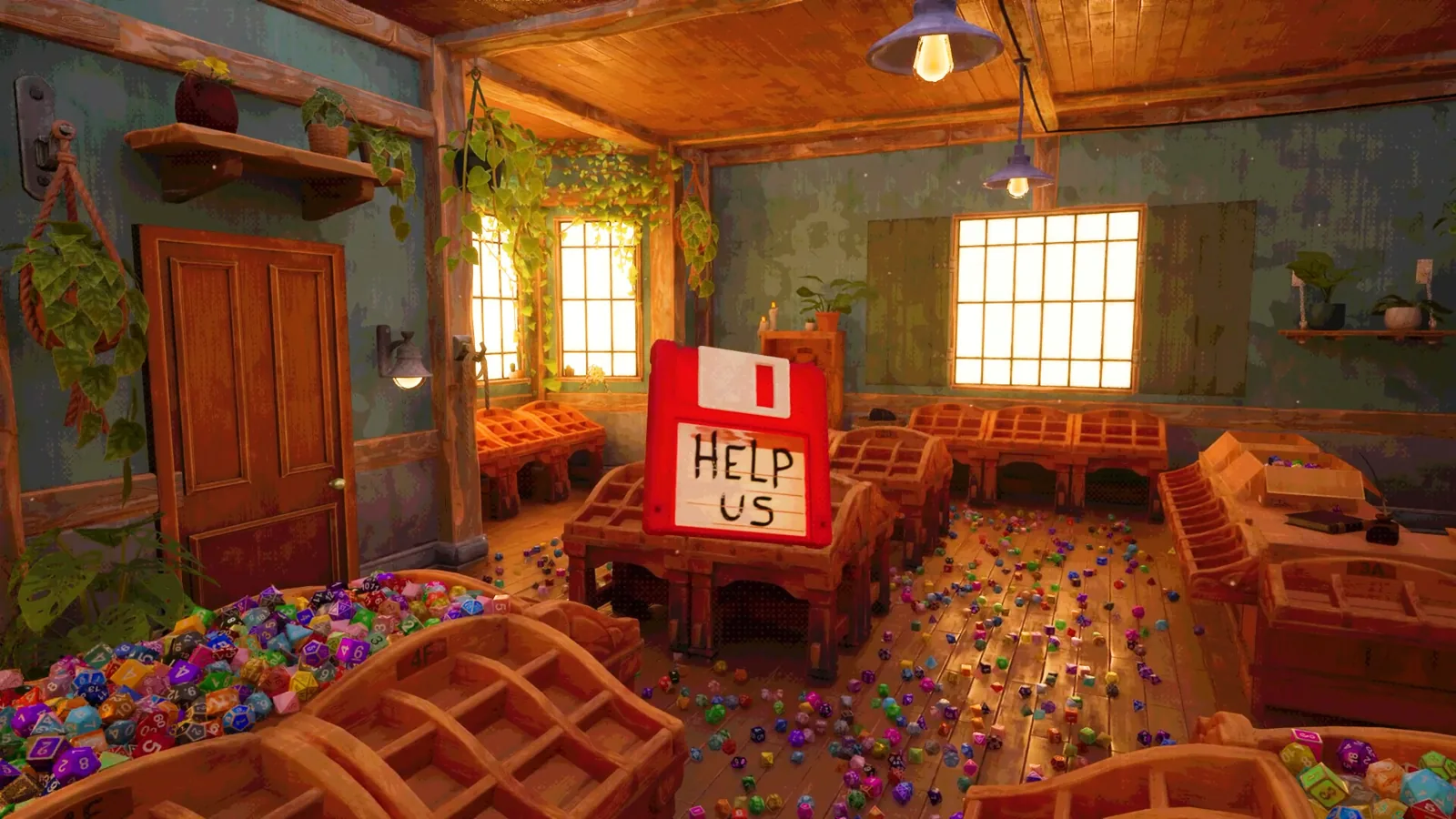
Dice Hoarder price: What It Costs Before the Game Unlocks
The Dice Hoarder price is not set yet. See what the official Steam page shows, when the game unlocks, and how to catch the price the moment it appears.
Compatibility Guides Index
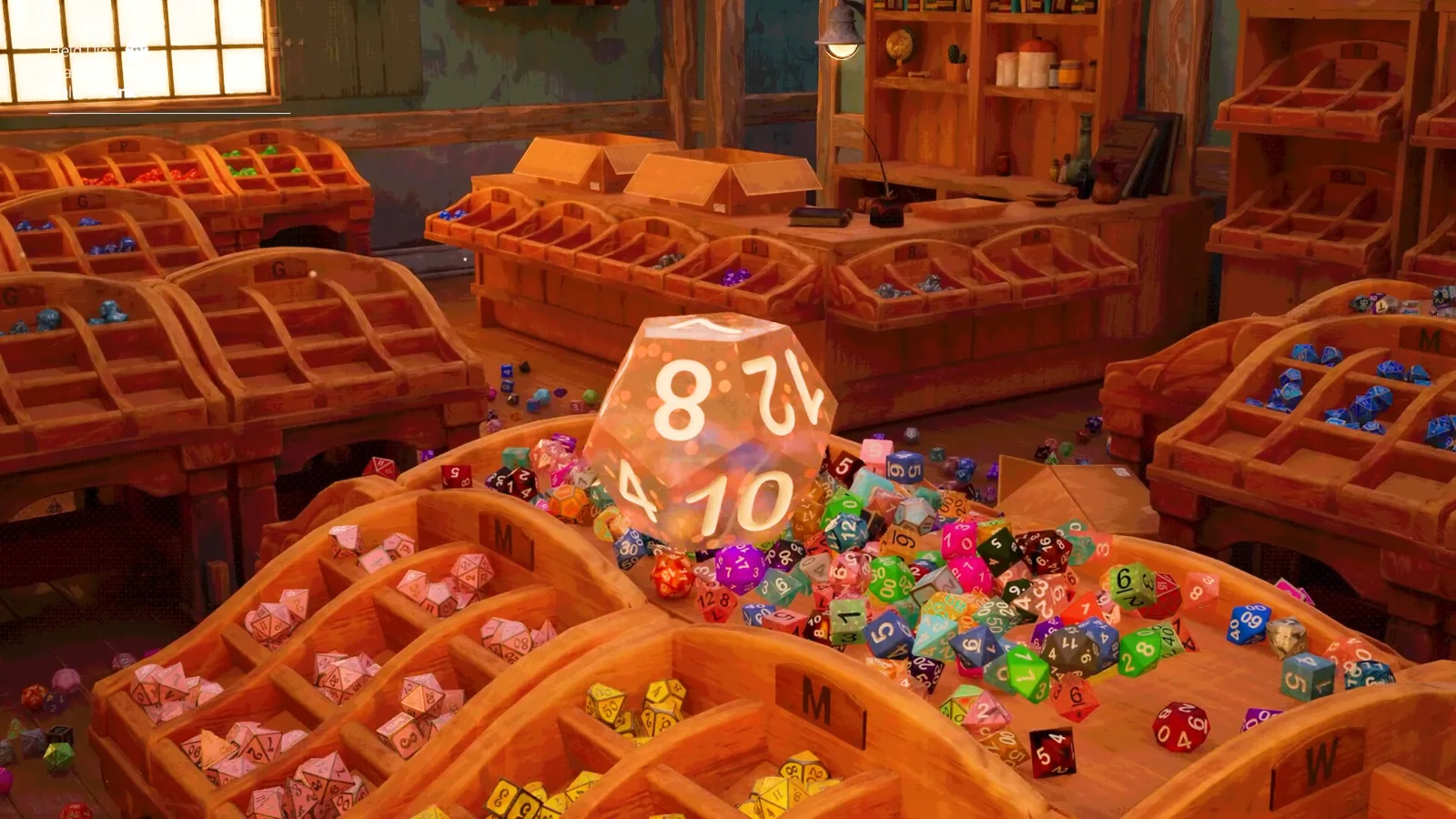
Dice Hoarder Controller Support: What Works at Launch
Dice Hoarder controller support is partial per the official Steam page, with Xbox controllers listed. What that means ahead of the November 13 launch.
Story Guides Index
Dice Hoarder Horror Level: How Scary Is the Story?
Dice Hoarder horror level explained: the developer says it is not a horror game, only light spooky story elements you can fully skip. Checked 2026-11-09.